
Industries
SAP work shaped by how your operations actually run.
SAP transformation, recovery and optimization built around manufacturing, automotive, industrial products, food and beverage, chemicals, life sciences and distribution operations.
Why industry context matters
The same SAP modules behave differently in different operations
Begin with the operational outcome, connect it to SAP processes, data and architecture, and structure delivery around measurable priorities rather than technology for its own sake.
- Process design follows how goods, orders and money actually move
- Data and master-data depth varies with the operating model
- Cutover and stabilization risk depends on operational tolerance for disruption
Primary focus
Manufacturing

Operational context
Connect planning, production, materials, warehousing, finance and data across the manufacturing enterprise.
- Plan
- Source
- Produce
- Warehouse
- Fulfill
- Finance & data
All industries
Find your operating context

Automotive
Support complex automotive operations where production, suppliers, logistics, quality and finance must move together.

Industrial Products
Modernize SAP for engineered products, complex operations, service models and distributed supply chains.
Food & Beverage
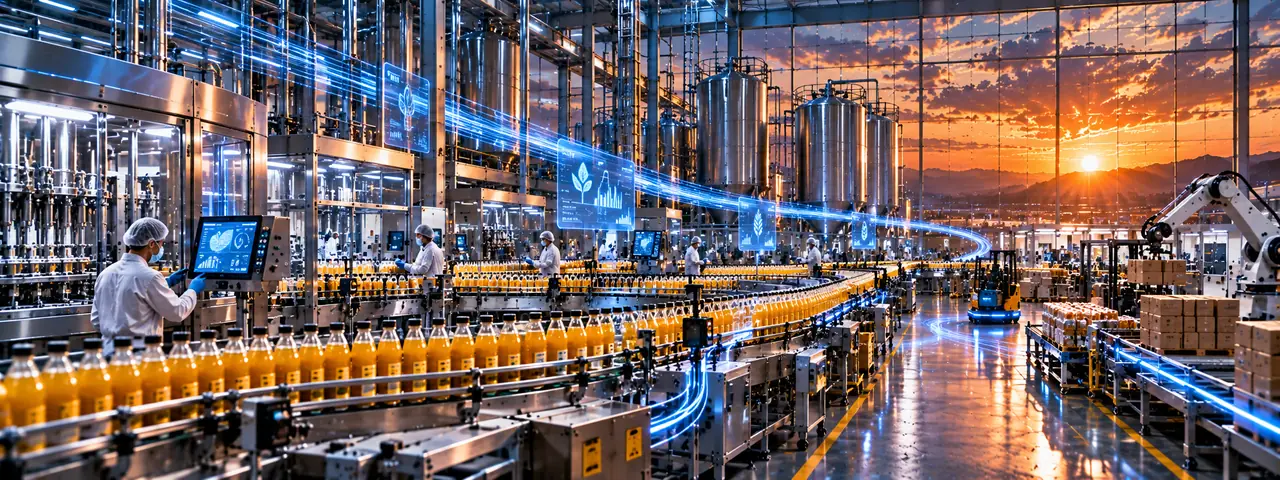
Strengthen planning, traceability, inventory, production, distribution and finance in fast-moving operations.

Chemicals
Support SAP transformation across process manufacturing, materials, supply chain, quality, finance and data-intensive operations.

Life Sciences
Modernize SAP with disciplined controls for complex, quality-sensitive and data-intensive operating environments.

Distribution
Improve inventory, warehousing, order fulfillment, transportation visibility and financial control across distribution networks.
Discuss your SAP priorities with a senior practitioner.
Start with the problem. We will tell you what we can substantiate and what needs to be assessed.